How to Extend Your Study Permit from Inside Canada
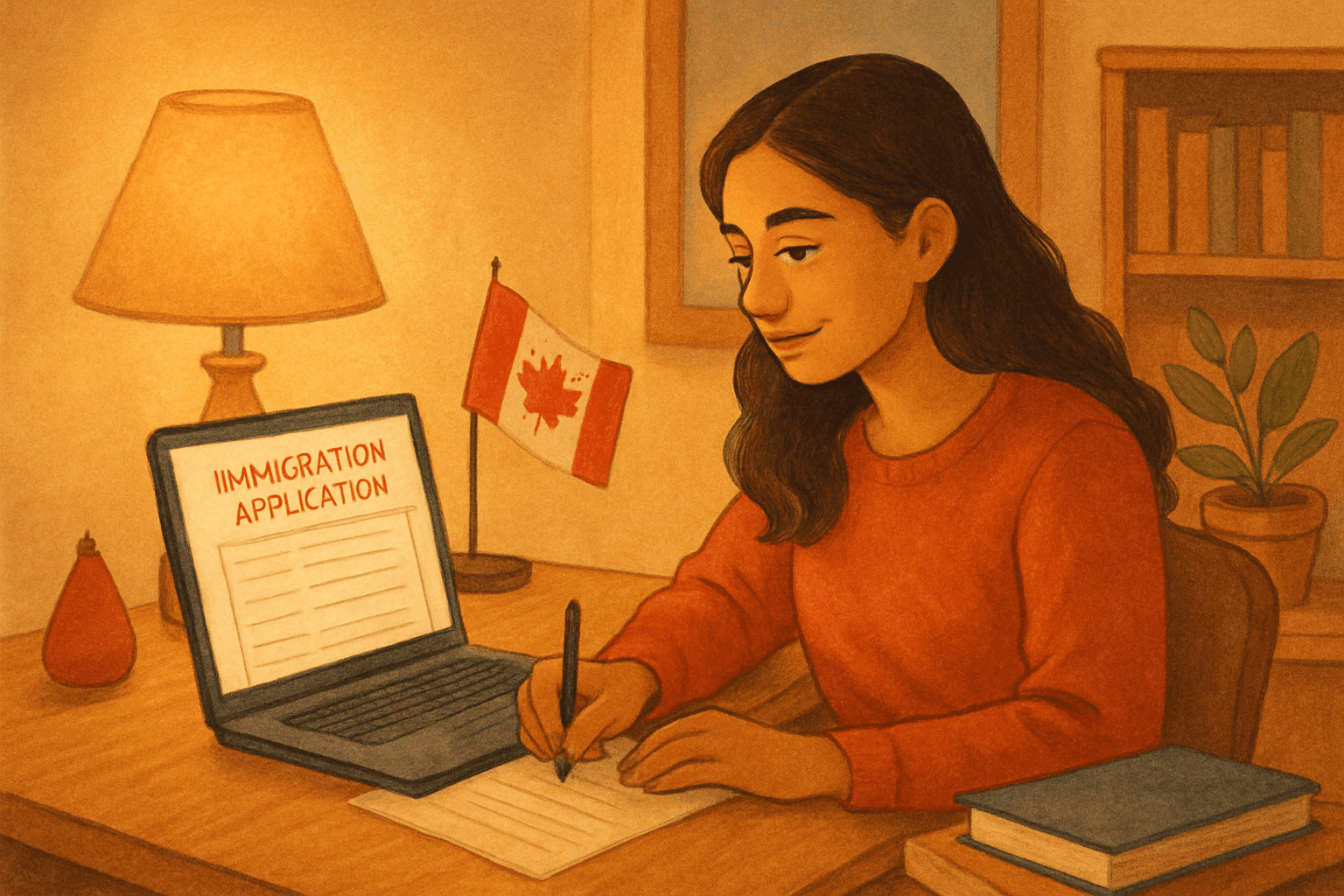
Somewhere around the six-month mark before their study permit expires, most students get a familiar feeling of dread: "wait, do I need to renew this?" If you're partway through a diploma, degree, or a second program and your current permit's expiry date is creeping closer, the good news is that you almost never need to leave Canada to fix this. You can apply for an extension online, from your apartment, at 11 p.m. in your pajamas, using the same IRCC account you probably already have from your original application.
That said, the process has enough small details that trip people up — wrong document, missed signature, applying too late — that it's worth walking through properly.
When to Start the Application
IRCC generally recommends applying at least 30 days before your current study permit expires, but honestly, that's the bare minimum, not a good target. Processing times for study permit extensions have fluctuated a lot over the past couple of years, sometimes taking a few weeks and other times stretching past two months depending on your province and the volume IRCC is handling. A safer window is to apply as soon as you have your new enrolment confirmed for the upcoming term or academic year — often that's 3 to 4 months before expiry.
Why does this matter so much? Because of something called maintained status (it used to be called "implied status"). If you apply for the extension before your current permit expires, you're allowed to keep studying in Canada under the conditions of your expired permit while you wait for a decision — even if that decision takes months. But if your permit expires before you submit the application, you lose that cushion entirely, and you'd need to stop studying and possibly leave the country.
What You'll Actually Need
The application is done through your existing IRCC secure account (the same login you used for your original study permit or visa application). If you don't have one, you can create one at canada.ca — search "extend study permit" and it'll route you to the right form set.
Typical documents requested include:
- A valid passport or travel document
- Proof of acceptance or continued enrolment — usually a letter from your school confirming you're an active, in-good-standing student
- Proof of funds — recent bank statements, a GIC confirmation, scholarship letter, or proof of an on-campus job, showing you can still cover tuition and living costs
- Your most recent transcript, especially if the school asks for it or if you're applying with a program change
- A digital photo meeting IRCC's specifications
- The processing fee, which is a few hundred dollars and can change, so always check the current amount on the IRCC fee schedule before paying
If your program of study changed — say you switched from a college diploma to a university degree, or moved schools entirely — you'll also need a new letter of acceptance from the new institution, and IRCC may ask why the change happened. Be upfront about it; a switch to a related or higher-level program is common and rarely a problem, but unexplained gaps or a pattern of switching schools frequently can raise questions.
Academic Standing Actually Matters Here
This is the part students underestimate. IRCC checks whether you've been meeting the conditions of your existing study permit — that means staying enrolled, making reasonable progress toward your credential, and not falling below full-time status without an approved leave. If your school has flagged you for academic probation or you took an unauthorized break from studies, mention it honestly in your application rather than hoping it goes unnoticed. Officers do sometimes ask your school directly, and inconsistencies between what you say and your school's records are a common reason extensions get delayed or refused.
If you genuinely had a rough semester — illness, family emergency, a documented mental health struggle — include a brief letter of explanation with supporting evidence (a doctor's note, a letter from your academic advisor). It won't guarantee approval, but it gives the officer context instead of a blank data point.
The Application Itself
Once you're logged into your account, you'll select the option for extending your study permit, fill out the online forms (generation number, personal details, program information), upload your documents as PDFs, pay the fee, and submit. IRCC will usually respond with either a request for biometrics (if yours have expired or you haven't given them in the last several years), a request for more documents, or a decision.
Keep an eye on your IRCC account and the email tied to it — communications about missing documents often come with a tight deadline to respond, sometimes as little as a few weeks, and missing that window can mean your application is refused outright and you'd have to start over.
What Happens If You're Refused
If your extension is refused, you do not have maintained status anymore, even if you applied on time. This is the scenario every student wants to avoid. At that point your options are limited: you may be able to apply for restoration of status within 90 days of the refusal, which is a separate and more expensive process, or you may need to leave Canada and apply from outside instead. If this happens to you, contact your school's international student advisor immediately — most universities and colleges have staff whose entire job is helping students navigate exactly this situation, and they often know local patterns in how the regional IRCC office is deciding cases.
A Few Practical Habits Worth Building
Set a calendar reminder for six months before your permit expires — not thirty days, six months. Keep digital copies of every transcript, enrolment letter, and bank statement in one folder as you go, so you're never scrambling to request documents from your registrar during a tight window. And check your program's expected length against your permit's expiry date the moment you enrol — a lot of extension emergencies happen simply because a student assumed their permit covered their whole program length when it didn't.
Studying in Canada already comes with enough deadlines — tuition, assignments, co-op applications. Your study permit doesn't have to be the one that catches you off guard, as long as you treat the extension as a task with its own lead time, not an afterthought you handle the week before your status runs out.
For the most current fees, processing times, and document checklists, always confirm details directly on the official IRCC website before submitting your application.
Still have questions?
Open the chat in the bottom-right corner — ask anything about this topic and get an instant answer.